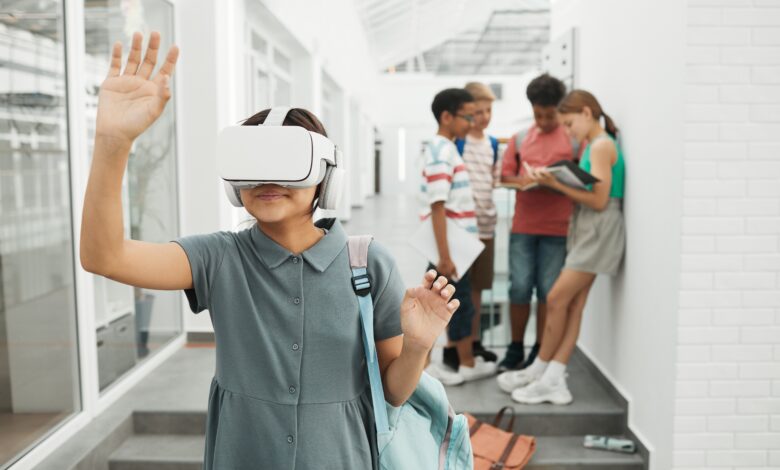
Technology has become a foundational part of modern education, offering teachers new ways to streamline instruction, support student engagement, and maintain organized classrooms. As digital tools continue to evolve, they provide practical solutions that help educators manage daily responsibilities with greater clarity and efficiency. Integrating technology into everyday teaching not only enhances the learning experience but also strengthens communication, improves oversight, and supports long term instructional goals. When used consistently, these tools create a more structured, responsive, and effective classroom environment.
Strengthening Classroom Organization Through Centralized Tools
One of the most meaningful benefits of integrating technology into daily teaching is the ability to centralize essential tasks. Teachers often balance lesson planning, attendance, communication, and resource management throughout the day. When these responsibilities are handled across multiple systems, organization becomes more challenging.
Digital platforms bring everything together in one accessible location, allowing educators to view schedules, assignments, and classroom data through a single dashboard. This consolidation reduces time spent navigating different tools and helps teachers maintain a smoother workflow. With clearer routines and fewer administrative hurdles, educators can devote more attention to instruction and student support.
Enhancing Oversight and Accountability
Technology also improves classroom oversight by providing real time visibility into student activity. Digital tools that track attendance, behavior, and movement help teachers maintain a clear understanding of what is happening throughout the school day.
Many schools now incorporate features found in classroom management software to support accountability and reduce disruptions. These systems help monitor transitions, document patterns, and ensure that students remain where they need to be. With better oversight, classrooms operate more predictably, and teachers can maintain a structured environment that supports learning.
Supporting More Engaging Instructional Experiences
Digital tools offer new ways to present information, making lessons more interactive and engaging. Multimedia resources, educational apps, and online platforms allow teachers to incorporate videos, simulations, and interactive activities that appeal to different learning styles.
This variety helps students stay focused and encourages deeper participation. Technology also supports differentiated instruction by allowing teachers to tailor materials to individual needs. When students can access content at their own pace or revisit lessons as needed, they gain a more personalized and meaningful learning experience.
Improving Communication Across the School Community
Clear communication is essential for effective teaching, and technology makes it easier for teachers, students, and families to stay connected. Messaging platforms, shared calendars, and digital announcements ensure that important information is delivered consistently and efficiently.
For teachers, communication tools reduce the need to manage multiple channels. Instead of relying on paper notes or scattered emails, educators can use a single system to share updates, coordinate with families, and provide timely feedback. This streamlined approach strengthens relationships and supports a more cohesive school community.
Streamlining Resource Management and Collaboration
Managing instructional materials can be time consuming, especially in busy classrooms. Technology helps teachers organize lesson plans, worksheets, presentations, and digital content in one accessible location. This organization reduces physical clutter and makes it easier to maintain a structured learning environment.
Digital resource libraries also support collaboration. Teachers can contribute to shared collections, adapt materials for their classrooms, and build resources that benefit entire grade levels or departments. With better access to organized materials, educators can plan more efficiently and maintain consistency across instructional activities.
Increasing Flexibility in Instructional Delivery
Technology provides flexibility that traditional teaching methods cannot match. Digital tools allow teachers to adjust lessons quickly, incorporate new materials, and support hybrid or remote learning when needed. This adaptability ensures that instruction remains consistent even when schedules or circumstances change.
Students also benefit from this flexibility. They can access assignments, review materials, and complete tasks from various locations, supporting continuity in learning. This adaptability helps schools remain responsive to evolving needs and expectations.
Supporting Data Driven Decision Making
Digital tools make it easier for teachers to collect and analyze data related to student performance. Platforms that track progress, assessments, and participation help educators identify trends and adjust instruction accordingly.
With clearer insights, teachers can provide targeted support, address learning gaps, and celebrate student growth. Data driven decision making strengthens instructional planning and contributes to more effective teaching strategies.
Reducing Administrative Burden for Teachers
Integrating technology into daily teaching reduces the amount of time teachers spend on manual tasks. Automated attendance, digital grading tools, and streamlined communication systems help educators manage responsibilities more efficiently.
By minimizing administrative work, teachers gain more time to focus on lesson planning, student engagement, and meaningful classroom interactions. This shift supports a more balanced workload and contributes to a healthier, more sustainable teaching environment.
Conclusion
Integrating technology into daily teaching offers significant benefits, including improved organization, enhanced oversight, stronger communication, better resource management, increased flexibility, and more engaging instructional experiences. These tools help educators create structured, efficient, and responsive classrooms that support the needs of today’s students and strengthen the overall learning environment.